

Sudden Flashes of Light or New Floaters? When to See Your Eye Doctor

Sudden Flashes of Light or New Floaters? When to See Your Eye Doctor
Seeing an occasional speck or thread drift across your vision is common, especially as you age. However, sudden flashes of light or a noticeable increase in floaters should not be ignored. These symptoms sometimes signal changes affecting the retina that require immediate attention from an eye doctor.
What Are Eye Floaters?
Floaters are small shapes that appear to move through your field of vision. They may look like dots, strings, cobwebs, or dark specks. These shapes are shadows created by tiny clumps within the clear gel-like substance inside the eye, known as the vitreous.
A few long-standing floaters are often harmless. The concern arises when new floaters appear suddenly, become more numerous, or occur alongside other changes in vision.
Why Do Flashes of Light Occur?
Flashes may look like brief sparks, lightning streaks, or flickering lights, often near the side of your vision. They can occur when the vitreous pulls or rubs against the retina.
As people age, the vitreous naturally changes and can separate from the retina. This is called a posterior vitreous detachment. Although this process is often harmless, it can occasionally create a retinal tear. Fluid may then pass through the tear and cause the retina to detach.
Warning Signs That Need Immediate Attention
Contact an eye doctor promptly when flashes or floaters appear suddenly, especially if you experience:
• A rapid increase in the number of floaters
• Repeated flashes of light in one or both eyes
• A dark shadow or curtain moving across your vision
• Loss of side or central vision
• Blurry vision following an eye injury
A retinal detachment is a medical emergency. It is often painless, so waiting for discomfort before seeking care could allow the condition to worsen.
Who Has a Higher Risk of Retinal Problems?
Retinal tears and detachments can affect anyone, but certain factors increase the risk. These include severe nearsightedness, a previous retinal tear or detachment, a family history of retinal detachment, recent cataract surgery, and serious eye trauma. People with diabetic retinopathy or other retinal conditions should also pay close attention to sudden changes in their vision.
What to Expect During an Eye Examination
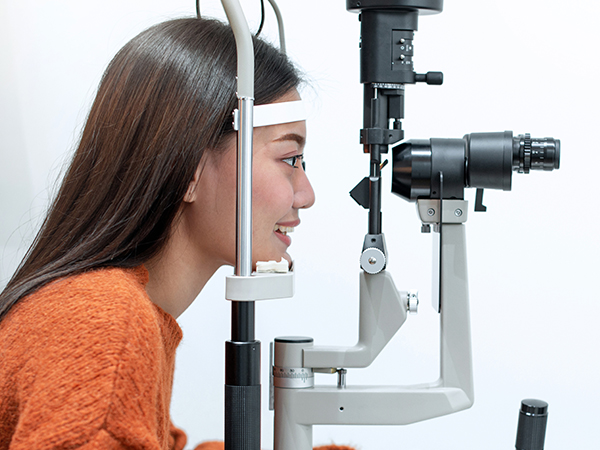
Our eye doctors will ask when the symptoms began and whether they have changed. A dilated eye examination allows the doctor to carefully inspect the vitreous and retina for signs of pulling, bleeding, tears, or detachment.
Do not drive yourself if your vision is significantly reduced or covered by a shadow. When an eye care office is closed and you experience sudden vision loss or a curtain-like shadow, seek care at the nearest emergency room.
For sudden flashes, new floaters, or other urgent vision changes, reach out to Bandon & Coquille Vision Center and Eye Center of Gold Beach for prompt eye care. Contact Coquille Vision Center at (541) 396-4042, Bandon Vision Center at (541) 347-3622, or Eye Center of Gold Beach at (541) 247-7212 to book an appointment.
All Eye
Care Services

Request
an Appointment
© 2026 Coos Eye Centers. All rights Reserved. Accessibility Statement - Privacy Policy - Sitemap
Powered by:
