

Chronic Seasonal Allergies vs. Eye Infections: How to Tell the Difference This Spring

Chronic Seasonal Allergies vs. Eye Infections: How to Tell the Difference This Spring
Spring can bring longer days, blooming plants, and more time outdoors, but it can also bring irritated eyes. For many people, redness, watering, itching, and discomfort are common during allergy season. However, those same symptoms can sometimes point to an eye infection that needs professional care. Knowing the difference between seasonal allergies and an eye infection can help you respond quickly and protect your vision.
Why Spring Allergies Affect the Eyes
Seasonal allergies happen when your immune system reacts to allergens such as pollen, grass, mold, or dust. When these irritants reach the surface of the eyes, they can trigger inflammation and make your eyes feel uncomfortable.
Allergy-related eye symptoms often affect both eyes and may come with sneezing, nasal congestion, or a scratchy throat. The irritation may get worse after spending time outside, driving with the windows down, or being around freshly cut grass.
Common Signs of Eye Allergies
Eye allergies are often uncomfortable, but they are not contagious. Symptoms may come and go depending on allergen exposure and weather changes.
Common signs of seasonal eye allergies include:
• Itchy, watery, or red eyes
• Burning or stinging
• Puffy eyelids
• Stringy or clear discharge
• Sensitivity to light
• Symptoms in both eyes
• Sneezing or nasal allergy symptoms
Rubbing your eyes can make inflammation worse, so it is best to avoid touching them and schedule an eye exam if symptoms keep returning.
When It Could Be an Eye Infection
An eye infection may be caused by bacteria, viruses, or other irritants. Unlike allergies, some infections can spread from person to person, especially through hand contact, shared towels, makeup, or contaminated contact lenses.
Eye infections may affect one eye first and then spread to the other. Symptoms can include redness, pain, crusting, thick discharge, swelling, or a gritty feeling that does not improve. If your eyelids are stuck together in the morning or your vision feels blurry, it is important to have your eyes checked.
Key Differences to Watch For
One of the biggest clues is itching. Allergies usually cause significant itching, while infections are more likely to cause pain, soreness, crusting, or colored discharge. Allergies often affect both eyes at the same time, while infections may start in one eye.
Another important difference is how symptoms respond. Allergy symptoms may improve when you avoid triggers or use recommended allergy eye drops. Infection symptoms may continue to worsen without proper treatment.
How an Eye Exam Helps Identify the Cause
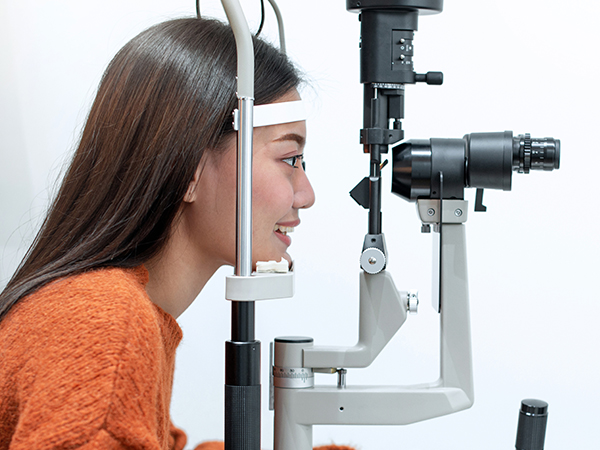
It is not always easy to tell the difference between eye allergies and an infection at home. Using the wrong type of drops or delaying care can make symptoms last longer. Our eye doctors can examine the surface of your eyes, check for inflammation or infection, and recommend the right treatment based on what is actually causing your symptoms.
If you wear contact lenses, it is especially important to schedule an appointment for redness, pain, discharge, or light sensitivity. These symptoms can sometimes signal a more serious contact lens-related issue.
Protect Your Eyes This Spring
Simple steps can help reduce seasonal eye irritation. Wash your hands often, avoid rubbing your eyes, change pillowcases regularly, and consider wearing sunglasses outdoors to limit pollen exposure. If you use contact lenses, follow proper cleaning and replacement instructions and avoid wearing them when your eyes feel irritated.
Schedule an eye exam at Bandon Vision Center, Coquille Vision Center, or Eye Center of Gold Beach for personalized care and guidance if you are experiencing red, itchy, irritated, or potentially infected eyes. Contact our office in Coquille at (541) 396-4042, Bandon at (541) 347-3622, or Gold Beach at (541) 247-7212 to book an appointment today.
All Eye
Care Services

Request
an Appointment
© 2026 Coos Eye Centers. All rights Reserved. Accessibility Statement - Privacy Policy - Sitemap
Powered by:
